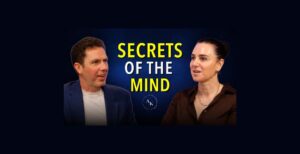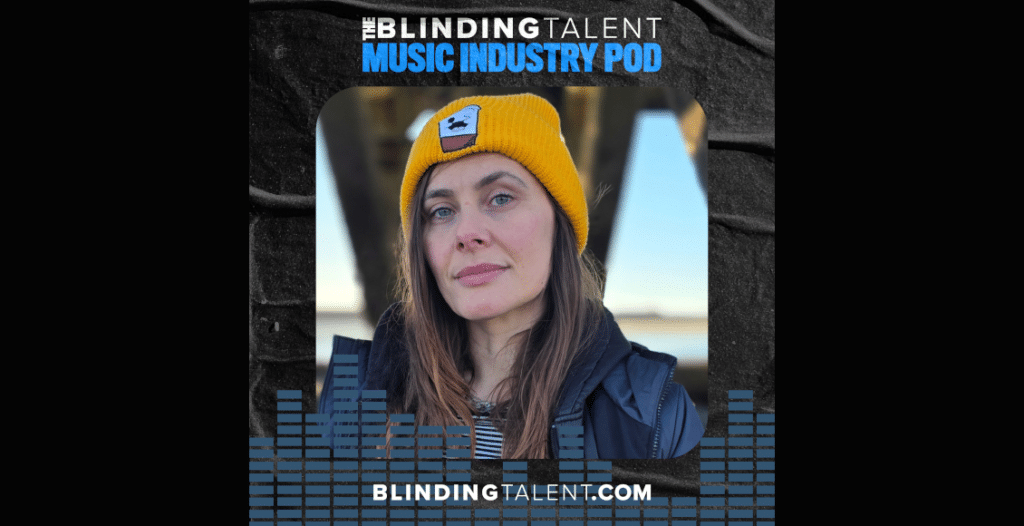
A new episode of The Blinding Talent Music Industry Podcast, focuses on mental health in the music industry.
It also looks at why support should be available long before people reach crisis point.
The episode features Lauren Reading-Gloversmith, a former music publicist and artist manager who has since retrained as a person-centred experiential counsellor. She brings together first-hand industry experience and professional wellbeing support.
Lauren reflects on her early years in the alternative music scene as a teenager, describing how a DIY and “get on with it” mindset took her from promoting local gigs and touring with a band into publicity, artist management, and eventually counselling.
She worked on campaigns for more than one hundred releases through Inception Press and alongside a wide range of artists and labels, giving her insight into both creative pressures and the human impact behind the scenes.
The discussion explores early warning signs of burnout and declining wellbeing, including emotional, physical, relational, creative, and coping changes that are often overlooked in fast-paced, lifestyle-driven industries.
Lauren also challenges the idea that therapy is only for when things are going wrong, describing it instead as a form of ongoing self-care that can help people stay grounded.
Identity and boundaries are another key theme, with the episode examining how blurred lines between work and pleasure, colleagues and friends, and onstage and offstage roles can affect artists and professionals alike.
The conversation also looks at social media’s complex role, balancing creative expression with pressure, performance, and comparison.
The episode touches on the growing use of AI in wellbeing support, highlighting potential benefits such as triage and reflection tools, while also raising serious safeguarding concerns.
Lauren explains what person-centred counselling looks like in practice, and why the relationship between counsellor and client remains central.
Lauren now works through her private practice, Speak To Lauren, supporting creatives and others exploring identity, change, or neurodivergence.
She said: “A huge thank you to Mark and Blinding Talent for inviting me in to talk about something I care deeply about. The more openly we talk about mental health, especially within creative industries, the more we reduce stigma and remind people that everyone is worthy of support.”